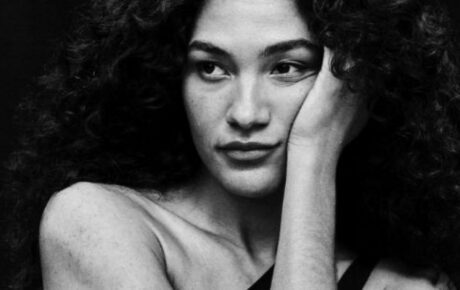
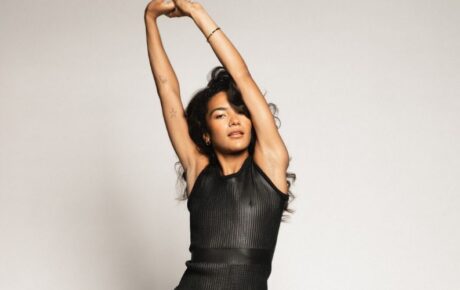
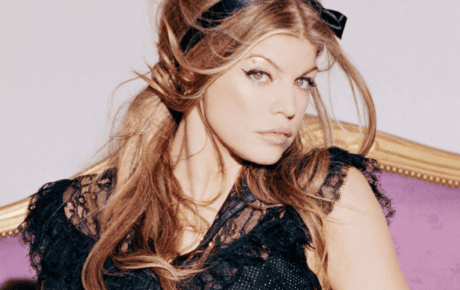
On Little Miss Twain, Shania Twain trades arena-sized anthems for intimate storytelling on a deeply reflective album, revisiting the memories that shaped her while asking listeners to meet her where she is today.
“It’s not easy to evolve as an artist and keep your people with you.” Before the first note of Little Miss Twain is heard, Shania has already acknowledged the challenge facing this album. Rather than trying to recapture the sound that made her one of country music’s biggest stars, she invites listeners into a quieter, more vulnerable chapter-one rooted in memories and experiences that shaped her long before the spotlight.
With that intention established, Shania presents a deeply personal collection curated from childhood memories, family, resilience, and self-reflection. Rather than returning to the high-energy anthems that defined her career, she embraces softer production and introspective, soulful songwriting, allowing the stories themselves to take centre stage throughout Little Miss Twain. It is a deliberate evolution—one that asks listeners to embrace the album for what it is, rather than what they expected it to be.
Musically, Little Miss Twain leans into the sounds that have long accompanied Shania’s country roots. Harmonicas, fiddles, and steady snare rhythms melt into warm acoustic arrangements creating an inviting foundation, while subtle influences of pop, rock, soul, and bluegrass broaden the album’s palette without ever overshadowing its country heart. Rather than chasing modern trends, the production remains focused on supporting the stories behind each song, creating a listening experience that feels less like a performance and more like hearing Shania tell her story across the table.
The album’s emotional centre arrives with its title track, ‘Little Miss Twain,’ where Shania reflects on the dreams that first set her on this path. The lyric, “According to my mother, I’m the next Tanya Tucker,” takes on even greater significance with Tanya Tucker herself appearing on the song, transforming a childhood dream into a true full-circle moment. It’s a touching collaboration that feels genuinely earned, celebrating the journey from a young girl singing in local bars to sharing a song with one of the artists who inspired her.
While the album is undeniably reflective, it never loses sight of the confidence and charisma that have always defined Shania’s music. Lead single ‘Dirty Rosie’ injects a welcome sense of fun, balancing the album’s reflective moments with a little mischief, while ‘Quit My Life’ with its funky harmonica vibes and subtle Motown influences, delivers one of the album’s most instantly engaging moments. It is the kind of track that starts with foot tapping beneath the barstool and ends with you wondering how you ended up on the dance floor. These lighter more playful tracks provide balance, reminding listeners that Shania’s sense of fun remains just as present as her introspection.
Elsewhere, ‘Faded Blue Jeans’ benefits from Josh Homme’s understated contribution, his vocals settling so naturally alongside Shania’s that they feel less like a feature and more like a conversation. There is an effortless ease between them, the kind that makes you forget you’re listening to two artists and instead simply lose yourself in the moment they are creating. Carrying echoes of Stevie Nicks, it’s one of the albums most quietly captivating moments.
‘Down the Middle’ opens with a striking nod to Nancy Sinatra’s ‘Bang Bang’ before settling into a song about the quiet certainty of finding the kind of love that hits straight to the heart. It stays committed to its central sentiment, allowing the emotion to speak for itself.
Throughout Little Miss Twain, there is a quiet confidence in the way Shania reflects on the experiences that have stayed with her without becoming consumed by them. Whether she’s revisiting childhood dreams, embracing new chapters or allowing herself moments of lightness, the album never feels weighed down by nostalgia. Instead, it celebrates growth, reflection, and authenticity, offering a portrait of an artist who no longer feels the need to prove herself.
Little Miss Twain may not be trying to recreate the record-breaking highs of Shania’s past, but that’s precisely its strength. Rather than competing with the legacy that came before it, the songs soeak for themselves, rewarding listeners willing to meet Shania where she is today. It’s a reminder that evolution isn’t about leaving the past behind—it’s about carrying it forward with honesty, perspective, and a quiet confidence to keep writing new chapters.